Background
In highschool, I published a paper on compressing files as tiny models, interned at a unicorn focused on computer use, and ran some workshops on machine learning. Then-minister-of-education extended an invitation to help put together a bachelor’s on AI, which I turned down to study abroad.
During my bachelor’s, I explored how AI processes ideas. I tried searching for spatial regularities in its representations to enumerate analogies, studied how its concepts engulf each other to reveal hierarchies, and used its predictions to surface surprises.
I then somehow found myself in circumstances that allowed me to think about what AI ought to do. This led to a book which draws from several paradoxes to argue that in order to do what it ought to, it first ought to seek an ever more defensible account of what it is that it ought to do.
In order to get a shot at applying these ideas, I then tried getting more familiar with the work of AI labs and institutions. I helped run pre-deployment testing on some models, contributed to a position paper on AI governance, and prototyped a couple cryptographic protocols for evaluating and serving models.
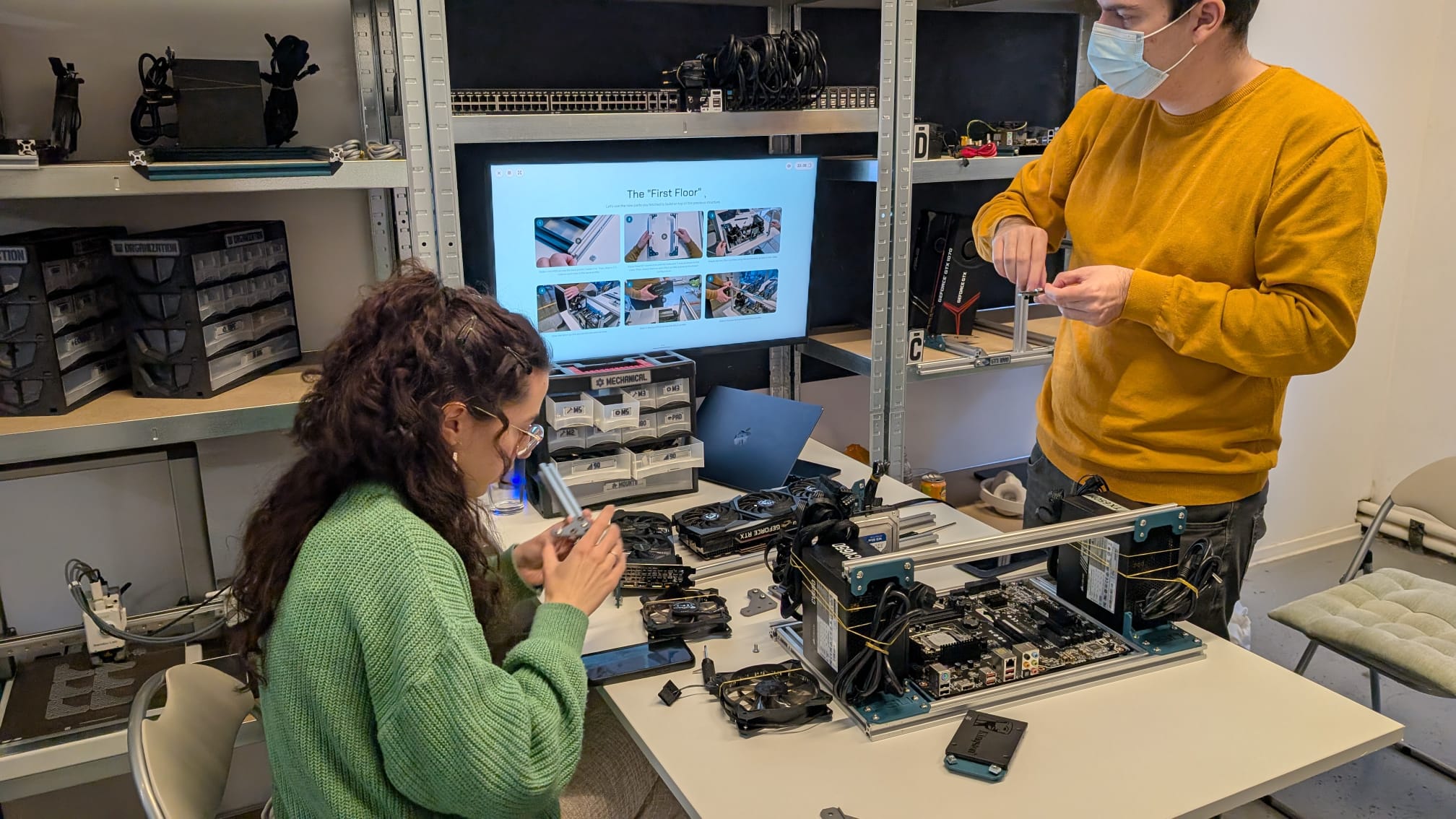
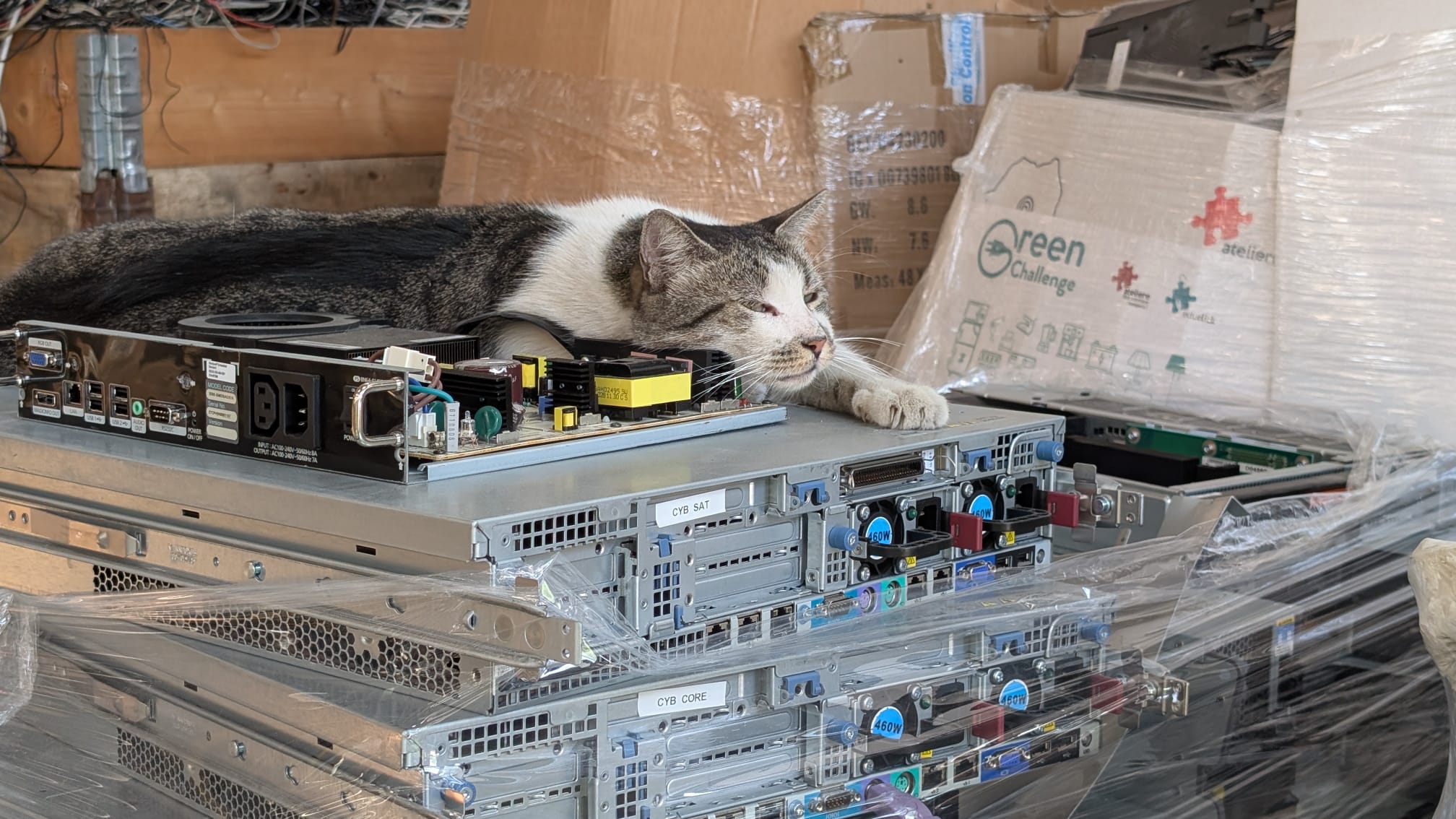
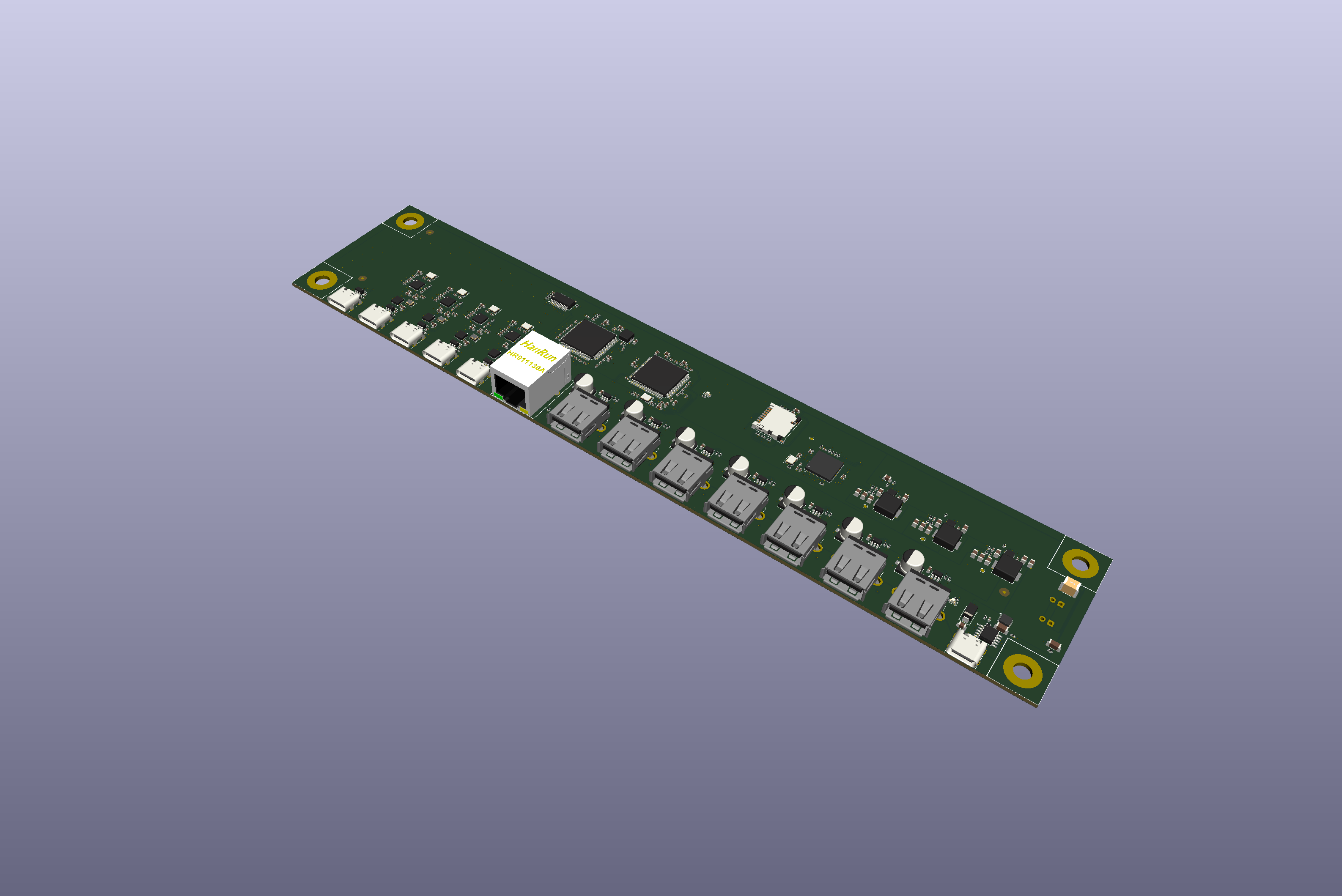
Several formative experiences then prompted me to question the top-down approach to AI governance. First through a community datacenter model where neighbors pool together hardware. Then by redirecting datacenter e-waste into schools for youth to govern. Lately through a hardware product that automatically clusters all your household’s unused electronics.
Outside work, I’ve variously been into urbex, running, and composing.